
Why Is My Dog Itching So Much? Real Causes & Fast Relief
It is 2 AM, and you are awakened by the sound of thump, thump, thump. Your dog is scratching again.
Seeing your furry best friend in constant discomfort is heartbreaking. You have checked for fleas, you have changed their food, but the scratching just won’t stop. If you are asking yourself, “Why is my dog itching so much?”—you are not alone.
Itching, or pruritus, is one of the most common reasons dog owners visit the vet. While it is often a sign of allergies, it can also signal parasites, dry skin, or even anxiety.
In this guide, we will explore exactly why your dog is itching so much, break down the 5 most common causes, and share soothing, research-backed home care tips to bring your pup some comfort.
5 Common Reasons Why Your Dog Can’t Stop Scratching

Before you buy expensive shampoos or treatments, you need to identify the root cause. Here are the top culprits:
1. Environmental Allergies (Atopy)
Just like humans get hay fever, dogs get skin allergies. This is the most common cause of itching.
Triggers: Pollen, grass, mold, or dust mites.
Symptoms: You will notice your dog licking their paws (especially after a walk), rubbing their face on the carpet, or scratching their armpits.
Seasonality: If the itching gets worse in Spring or Fall, it’s likely seasonal allergies.
2. Food Allergies
Contrary to popular belief, food allergies are less common than environmental ones, but they are still significant.
The Culprits: Common triggers include chicken, beef, dairy, or gluten (wheat).
Signs: Look for chronic ear infections, “scooting” (dragging their bottom on the floor), and red, inflamed skin alongside the itching.
3. Parasites (Fleas & Mites)
Even if you don’t see them, they could be there.
Fleas: Flea saliva is incredibly irritating. Just one bite can cause a dog with flea allergy dermatitis to scratch for weeks. Check the base of the tail—if your dog is biting there, suspect fleas.
Mites (Mange): Sarcoptic mange (Scabies) causes intense, frantic itching and hair loss. This requires immediate vet attention.
4. Dry Skin
Do you live in a dry climate or run the heater often in winter? Your dog’s skin might simply be dehydrated.
Check: Part your dog’s fur. If you see dandruff or flaky skin, the itching is likely due to dryness, not an infection.
5. Bacterial or Fungal Infections
When a dog scratches too much, they break the skin. This open wound becomes a breeding ground for bacteria or yeast infections.
Smell Test: Yeast infections often have a distinctive “corn chip” or musty smell. If your dog smells funky and is greasy, they may need medicated baths prescribed by a professional.
5 Proven Home Remedies to Soothe Dog Itching Fast
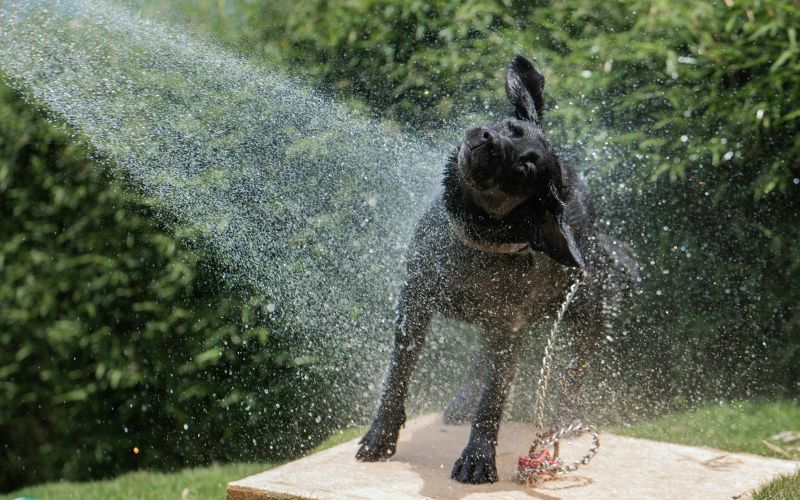
While you figure out the root cause, your dog needs relief now. Here are 5 safe and effective home care routines.
(Note: Always consult your vet before trying new routines, especially if your dog has open wounds.)
1. Colloidal Oatmeal Baths
This is the gold standard for itchy skin. Oatmeal contains anti-inflammatory properties that help soothe redness and irritation naturally.
How to use: Grind plain, sugar-free oatmeal into a fine powder. Mix it into a warm bath and let your dog soak for 10-15 minutes. It forms a protective barrier over their skin.
2. Coconut Oil Massage
If the itching is caused by dry skin or eczema, coconut oil is a highly soothing option. It is moisturizing and safe for pets.
How to use: Rub a small amount of solid, organic coconut oil directly onto the itchy spots or dry patches. Plus, it’s completely safe if they lick a little bit off!
3. Apple Cider Vinegar (ACV) Spray
ACV is a popular choice for helping balance the skin and keeping paws clean after walks.
The Recipe: Mix 50% water and 50% Apple Cider Vinegar in a spray bottle.
Warning: Do NOT use this on open cuts or raw skin—it will sting! Use it only on unbroken skin or paws.
4. Chamomile and Green Tea Soak
Chamomile tea has natural cooling effects, perfect for hot, red skin.
How to use: Steep a few tea bags in hot water, let it cool completely, and pour it gently over your dog’s itchy areas. For itchy paws, fill a bowl and let them soak their feet for 5 minutes.
5. Switch to a Sensitive Stomach Food
Sometimes, the solution is in the bowl. If you suspect food sensitivities, you might consider switching to a limited-ingredient diet (like salmon and sweet potato) that avoids common triggers like chicken or beef, after discussing it with your vet.
When Should You See a Vet?
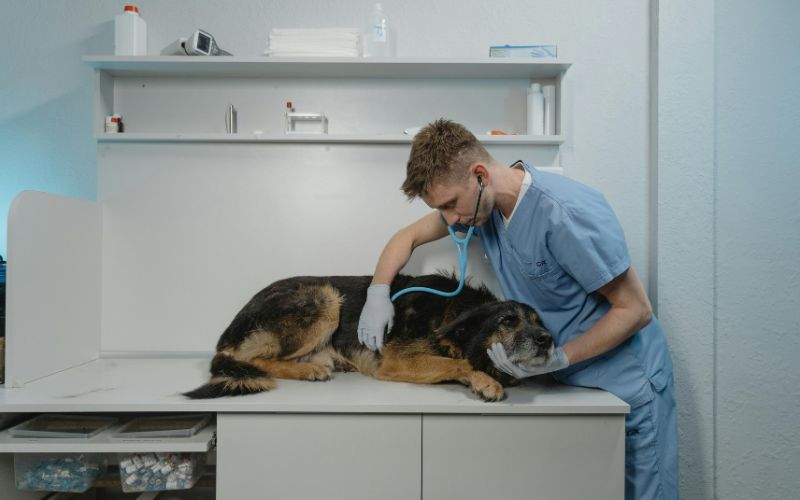
Home remedies are great for mild, occasional itching, but they aren’t a cure-all. You need to contact your veterinarian immediately if:
The itching is so severe your dog can’t sleep or eat.
You see open sores, blood, or pus on the skin.
There is a bad smell (a sign of a potential yeast infection).
Your dog is losing hair in patches.
They are shaking their head constantly (a sign of an ear infection).
Frequently Asked Questions (FAQs)
Can I give my dog Benadryl for itching?
Why does my dog itch more at night?
Is my dog itching because of boredom?
Final Thoughts
Seeing your dog scratch constantly is stressful, but relief is possible. Start by checking for fleas and dry skin, then try a soothing oatmeal bath. If the itching persists for more than a few days, a trip to the vet is the best way to ensure your furry friend gets back to their happy, wagging self.
Remember, a healthy dog is a happy dog!